
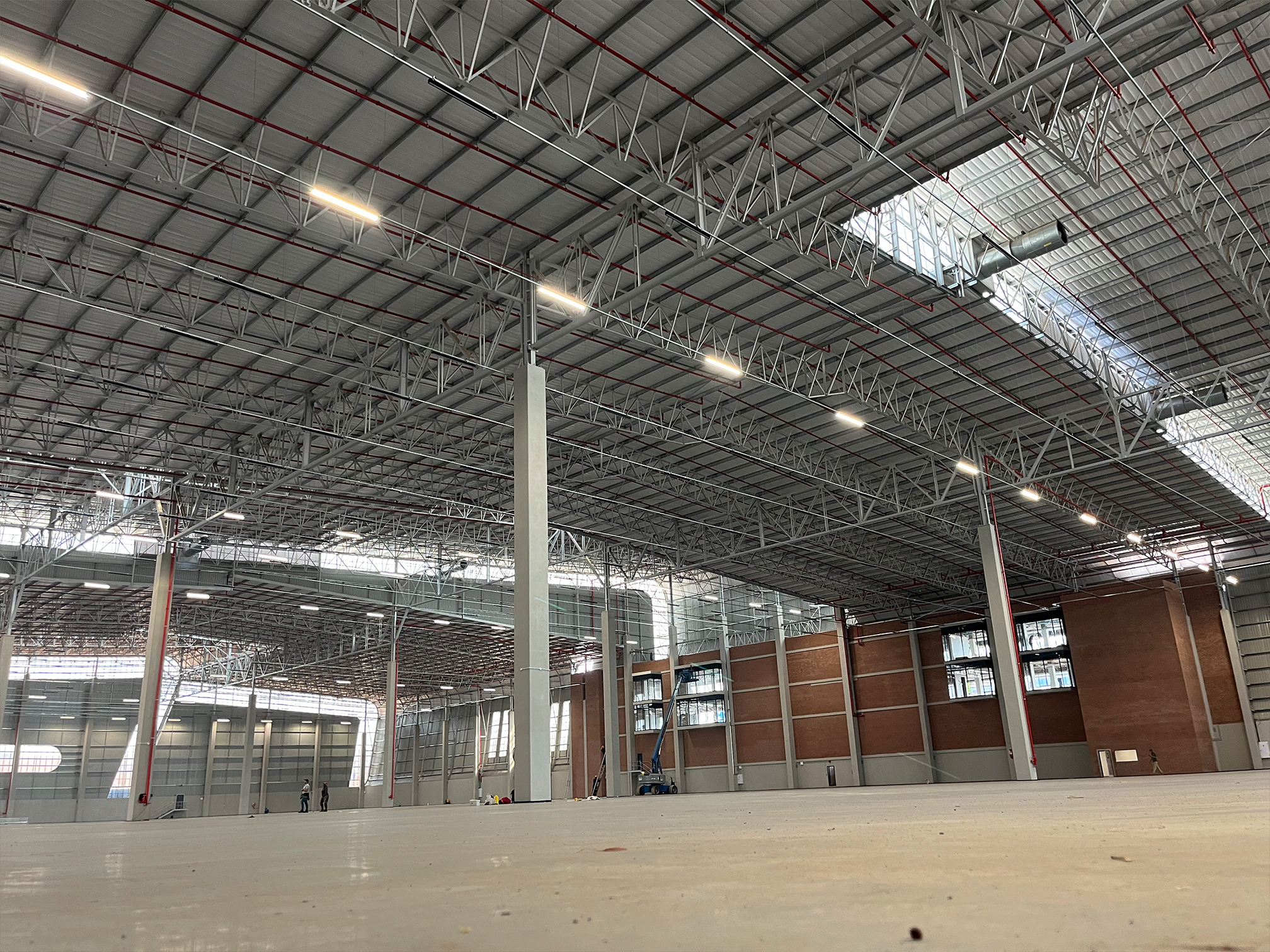
Steel Structures and Modern Architecture
Architecture is more than just designing buildings. It involves planning, designing, and constructing physical structures. The role of steel structures in modern architecture is often underestimated, yet they are essential for making buildings durable, sustainable, and high-quality.
Steel offers clear advantages in construction. Designers and developers have long recognised its value. Steel’s versatility allows architects to achieve ambitious designs with ease. It is a key element in sports stadiums, shopping centers, commercial and industrial buildings, and agricultural structures like sheds, water plants, and warehouses.
The Sustainability and Durability of Steel Structures
Steel is the most sustainable material in construction. When a steel-framed building is demolished, its components can be reused or recycled to create new ones. Globally, up to 50% of a new steel structure can consist of recycled steel.
Steel structures are lighter than concrete. They need smaller foundations, reducing environmental impact. If a steel foundation is used, it can be fully extracted and recycled after demolition, leaving no waste behind.
Steel structures last much longer than those made from other materials. They resist damage and require less frequent refurbishment. The fabrication and painting process protects steel from rust, preserving its strength.
Steel Structures Have Economic Benefits
Steel structures require minimal maintenance, lowering long-term costs. Their sustainability reduces both maintenance and production costs when using recycled materials. Steel buildings are also flexible. It’s easier and cheaper to expand or adapt a steel structure compared to other materials. This adaptability extends the building’s lifespan and use.
Companies like Valostar Steel Construction in South Africa specialise in designing, fabricating, painting, and erecting steel structures. Explore our services to learn more and find out how we can help you build your warehouse from concept to completion.
The role steel structures play in architecture continues to shape modern construction with sustainability, durability, and cost-efficiency.


